
Tag Archives: Charity

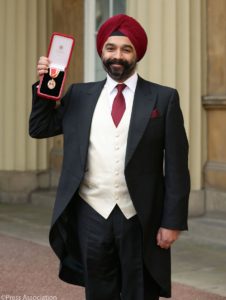
CANCER RESEARCH UK CEO PROVIDES A TEXT BOOK DEMONSTRATION OF HYPOCRISY

Hypocrisy (hɪˈpɒk.rɪ.si); a situation in which someone pretends to believe something that they do not really believe, or that is the opposite of what they do or say at another time:

There’s one rule for her and another rule for everyone else and it’s sheer hypocrisy.

(Cambridge English Dictonary).

In the case of Cancer Research UK’s Chief Executive, Sir Harpal Kumar, it is one rule for himself and another rule for everyone else. And yes, it is sheer hypocrisy.

In Kumar’s case he is more than happy to accept recognition for his achievements, for example a knighthood in 2016 for services to cancer research.

But when it comes to recognising others, even those whose ideas and creations have contributed heavily to the fundraising of Cancer Research UK, he chooses not to.

Take the example of Jim Cowan who created the Race for Life, an event which has raised in excess of £1/2 Billion for Cancer Research UK. You might think that someone willing to accept recognition for himself would also like to recognise others who have made such a huge difference to the cause he heads?

But no, not Kumar. He’ll accept a knighthood for himself but when it comes to recognising Jim Cowan, after years of his charity lying about where the event originated, and despite plenty of evidence, both he and his charity now say that they “do not credit anyone with originating any of their events.”

When it comes to recognition, Sir Harpal Kumar has one rule for himself and another for everyone else.

And the Cambridge English Dictionary is correct, it is sheer hypocrisy.

In the Race 4 Truth, Cancer Research UK are lagging behind.

Join the Race 4 Truth in campaigning for Jim Cowan to receive the recognition he deserves.

Nominate Jim Cowan for a Pride of Britain Award.

STILL WAITING: ARE CANCER RESEARCH UK DUCKING THE QUESTION BECAUSE THEY KNOW WE WON’T LIKE THE ANSWER?

One week after we raised the question of how much of the funds raised via sponsorship of runners taking part in the Race for Life goes directly to fund research in cancer, and despite our prompting them for a reply three times during that week, we still await a response.

The absence of any confirmation does not surprise us though. Cancer Research UK have form for not saying things, phrasing things cleverly, and using false stories, in order to create a misleading impression of their events and where money raised through those events goes.

It is a fact that they have spent the best part of a quarter of a century spinning a range of different yarns as to who created the Race for Life and denying any recognition to the person who actually did.

Having been called out on these tales, they now take an official line of “not recognising anyone.” And why tell the truth when simply missing it out fits your agenda better?

For example, why tell people that none of their Race for Life entry fee funds research into cancer? Far better not to mention it at all and leave people with the impression it does through statements such as, “this is beating cancer.” How the entry fee “is beating cancer’ is anyone’s guess when none of it goes to any research. But let’s not tell anyone.

And then, rather than the (deliberate?) omissions, look out also for the cleverly phrased statements, such as the one we are seeking clarification on (so far, without success); the Race for Life website states that sponsorship raised goes to Cancer Research UK leading to questions as to what percentage actually finds its way to funding any research?

For there is a fundamental difference between going to Cancer Research UK and its high earning executives, its expensive central London and regional offices, etc., and actually funding research.

What percentage of the sponsorship, raised and donated in good faith, actually funds research?

In the absence of any reply, study Cancer Research UK’s form and draw your own conclusions.

In the Race 4 Truth, Cancer Research UK are lagging behind.